What happens when you claim a £10 no-deposit bonus?
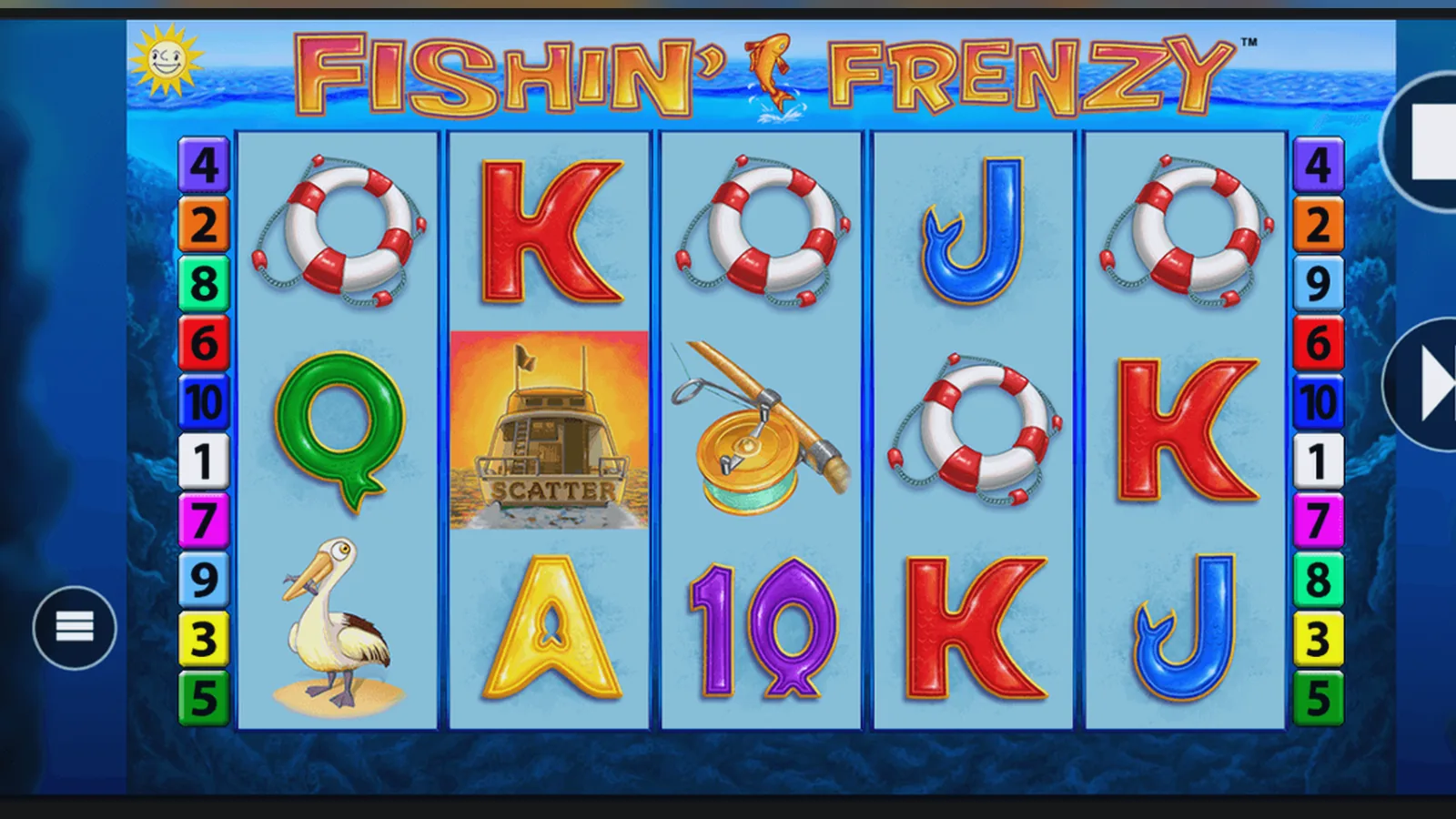
Type «Fishin' Frenzy no-deposit bonus» into Google and you'll find dozens of £10 offers that promise free play without putting your own money in first. The question nobody answers clearly is what that tenner actually does: how many spins it buys, what you need to do before you can withdraw, and which format makes sense for a medium-volatility slot with a £250 top win per spin at £1 stake.
This page walks you through the timeline—what happens in the first 10 minutes after you register, what the first hour looks like when you're playing through wagering, and what the first week teaches you about max-win caps and document checks. All examples are from UKGC-licensed operators serving British players; conditions change, so check the site's bonus page and footer licence number in the UKGC register before you sign up.
The formats you'll see on UK sites
No-deposit bonuses come in three shapes: bonus cash credited to your account (usually £5–£10), a fixed number of free spins on a chosen slot, or a hybrid that gives you both. Fishin' Frenzy appears in all three, though the spins-only format is rarest because operators prefer to attach free spins to a first-deposit match rather than give them away cold.
- Bonus cash (£5–£10): you choose the stake per spin, but every spin counts towards wagering. A £10 bonus at 40× wagering means you need to turn over £400 before you can withdraw.
- Free spins (10–50): the stake is preset by the operator, often 10p or 20p per spin. Winnings from the spins go into bonus balance and carry the same wagering multiple as cash bonuses.
- Hybrid (£5 + 10 spins): less common, and the two parts usually have separate wagering requirements and expiry timers.
The key difference is control: bonus cash lets you adjust your stake within the £5 cap (or £2 if you're 18–24, under UKGC rules introduced in 2024), while free spins lock you into the operator's chosen bet size.
First 10 minutes: what you actually get
You register, confirm your age via a credit-reference check (the operator runs this automatically against Experian or similar), and the bonus appears in your account. On most UKGC sites you'll see two balances now: real money (£0.00 if you haven't deposited) and bonus (£10.00 or however many spins you were promised).
If it's a cash bonus, you open Fishin' Frenzy, set your stake—let's say 50p, which is comfortable for medium volatility—and start spinning. Each spin deducts from bonus balance and adds to your wagering progress bar. If you land a win, it goes back into bonus balance, not real money; that's the rule until you've cleared the wagering requirement.
If it's free spins, the game launches with the stake already chosen. You click spin, the meter counts down from 20 to 19 to 18, and any wins accumulate as bonus funds. Once the spins are done, you're left with whatever you won—say £3.80—and that amount now has a wagering multiple attached, typically 40× to 50×.
First hour: the wagering arithmetic
Suppose you claimed a £10 bonus with 40× wagering. You need to turn over £400 in total bets. At 50p per spin, that's 800 spins. Fishin' Frenzy runs at roughly 10 spins per minute if you're not using turbo mode, so 800 spins will take you about 80 minutes of continuous play—closer to two hours if you pause between sessions.
During those spins, your balance will swing. Medium volatility means you'll see clusters of small wins (5× to 10× your stake) and longer dry patches. The free-spins feature, which triggers on average every 100–150 base-game spins, can return 50× to 150× your stake if you're lucky, but it can also pay 10× or less. RTP sits around 96%, so statistically you'll finish wagering with less than you started—often much less.
Here's where the max-win cap bites: most no-deposit bonuses cap your withdrawable winnings at £50 to £100, even if you somehow run the £10 up to £200 during wagering. The moment you complete the wagering requirement, any balance above the cap is removed, and the remainder converts to real money. That's the point where you can request a withdrawal.
Which formats suit Fishin' Frenzy
Fishin' Frenzy's medium volatility and modest top win make it a decent match for no-deposit bonuses, but the format matters. Bonus cash gives you control over pacing: you can drop to 20p spins if the balance is falling, or push to £1 if you're chasing the free-spins trigger before the wagering timer expires. Free spins at a fixed 10p stake, on the other hand, feel sluggish—wins are smaller, and clearing 40× on a £2 free-spins haul takes forever.
The sweet spot is a £10 cash bonus with 40× wagering, a £100 max-win cap, and a 7-day expiry. That gives you enough runway to weather dry spells without forcing you to rush, and the cap is high enough that a lucky free-spins round won't feel wasted. Offers with 50× wagering or 3-day expiry are harder to clear unless you're willing to play for multiple hours in one sitting.
- Best fit: £10 bonus cash, 40× wagering, £100 cap, 7 days. You control the stake and have time to let volatility even out.
- Acceptable: 20 free spins at 20p, 40× on winnings, 14 days. Lower upside, but easier to clear if the spins pay decently.
- Avoid: £5 bonus, 50× wagering, £50 cap, 3 days. The tiny cap and short timer make it nearly impossible to finish in profit.
Real examples from the UK market
Below is a sample of no-deposit and low-deposit offers that include Fishin' Frenzy or similar Blueprint Gaming slots. These are examples only—terms change weekly, and some operators rotate their game selection. Check the bonus page and footer licence number before you register.
| Operator | Offer type | Amount | Spins | Min deposit | Wagering | Max win | |
|---|---|---|---|---|---|---|---|
| Casino A | No-deposit cash | £10 | — | £0 | 40× | £100 | → |
| Casino B | Free spins | — | 20 × 10p | £0 | 40× winnings | £50 | → |
| Casino C | Deposit match | 100% up to £50 | 50 × 10p | £10 | 35× | No cap | → |
| Casino D | Hybrid | £5 + 10 spins | 10 × 20p | £0 | 50× bonus, 40× spins | £80 | → |
| Casino E | No-deposit cash | £5 | — | £0 | 50× | £50 | → |
| Casino F | Free spins | — | 30 × 10p | £10 | 40× winnings | £100 | → |
| Casino G | Deposit match | 200% up to £25 | 25 × 20p | £10 | 40× | No cap | → |
| Casino H | No-deposit cash | £10 | — | £0 | 45× | £100 | → |
First week: document checks and the first withdrawal
Suppose you've cleared the wagering, your balance now shows £75 in real money, and you request a withdrawal. This is where the first-time delay happens: the operator needs to verify your identity and address before releasing funds, a requirement under UKGC rules and anti-money-laundering law. You'll upload a photo ID (passport or driving licence) and a recent utility bill or bank statement. Processing takes 24 to 48 hours on average, sometimes longer if the documents need a second look.
Once approved, the withdrawal itself depends on your payment method. E-wallets like PayPal clear in a few hours; Faster Payments to your bank account usually arrive the same day or within two working days; debit-card refunds take one to three working days. Remember, credit cards have been banned for online gambling in the UK since April 2020, and the payment method must be in your own name—borrowed cards or third-party accounts will trigger a compliance hold.
If your net deposits since registration exceed £150 in a calendar month, the operator will run a first-stage affordability check using credit-reference data. If the check flags a concern, you may be asked for payslips or bank statements before you can deposit again. This is standard practice under UKGC rules tightened in 2024, not a sign that anything is wrong with your account.
The one condition that bites in each format
Every bonus type has a trap that catches people who don't read the full terms. For bonus cash, it's the max-win cap: you think you've turned £10 into £180, then find out the cap is £100 and you've just lost £80. For free spins, it's the expiry timer on winnings: the spins themselves might last a week, but the bonus balance from those spins often expires in 24 or 48 hours if you don't start wagering immediately.
For deposit-match bonuses, the killer is the minimum qualifying deposit combined with wagering on both your deposit and the bonus. A «100% up to £50» offer sounds generous, but if you deposit £50 and get another £50 as bonus, you're now wagering £100 at 35×—that's £3,500 in turnover. Miss one detail and you'll spend days clearing it, or you'll forfeit the bonus halfway through because the timer ran out.
- Bonus cash: max-win cap removes everything above £50–£100, even if you finish wagering with £200.
- Free spins: winnings from spins expire in 24–48 h unless you start playing through them immediately.
- Deposit match: wagering applies to your own deposit plus the bonus, doubling the turnover requirement.
Bonus myths that won't die
The most persistent myth is that there's a trick to beating wagering requirements—play at minimum stake, switch games halfway through, or stop when you're ahead and come back later. None of this changes the maths: RTP is fixed by the game, not by your bet size or timing, and the RNG doesn't care whether you're on spin 50 or spin 500. Wagering requirements exist because the operator expects most players to lose more than they win during the playthrough; that's how the business model works.
Another myth: no-deposit bonuses are «free money» with no strings attached. They're not. You're trading time and attention for a chance to convert £10 of house money into real withdrawable funds, and the odds are designed so that most players don't reach that point. The entertainment value is real—Fishin' Frenzy is fun to play, and the bonus extends your session—but it's not a reliable way to make money.
Finally, the idea that you can bypass KYC or affordability checks by staying under a deposit threshold: you can't. Age verification happens at registration, identity checks happen before the first withdrawal, and affordability checks trigger at £150 net deposits per month regardless of whether you've won or lost. These aren't optional; they're UKGC requirements that every licensed operator must follow.
FAQ
Can I withdraw the £10 no-deposit bonus itself, or only winnings?
You can't withdraw the bonus amount; it's non-cashable. Once you complete the wagering requirement, the bonus is removed and any remaining balance—up to the max-win cap—converts to real money. If you finish with £75 after wagering a £10 bonus with a £100 cap, you'll be able to withdraw that £75 once KYC is complete.
How long does it take to clear 40× wagering on a £10 bonus?
At 50p per spin, you need 800 spins to turn over £400. Fishin' Frenzy runs at roughly 10 spins per minute, so that's 80 minutes of continuous play. In practice, expect closer to two hours once you account for pauses, feature rounds, and balance swings. If you drop to 20p spins, the time stretches to over three hours.
Do free spins on Fishin' Frenzy count towards wagering differently than bonus cash?
The spins themselves are separate—they don't count as turnover. But the winnings from those spins go into bonus balance and carry a wagering multiple, usually 40× to 50×. So if 20 free spins at 10p each pay out £4, you'll need to wager £160 to £200 before you can withdraw that £4 (minus any losses along the way).
Why do some no-deposit bonuses expire in 3 days while others give you 14?
Operators balance risk and player experience. A short expiry pushes you to play immediately, which reduces the chance you'll forget about the bonus or the operator will pay out on multiple successful conversions. A longer expiry is more player-friendly but costs the operator more in bonus liability. Neither is inherently better; just make sure the timer is long enough that you won't feel rushed into playing when you'd rather not.
Can I use a no-deposit bonus if I've already registered with the casino but never deposited?
Usually not. No-deposit bonuses are new-customer offers tied to registration. Once you've created an account, even if you've never deposited, you're no longer a new customer in the system. Some operators run reload bonuses or free-spins campaigns for existing players, but those typically require a deposit to trigger.